October 19, 2026
Two Versions of a Training Year, and Why They Produce Different Artists
By Ralph S. Opacic, Ed.D.
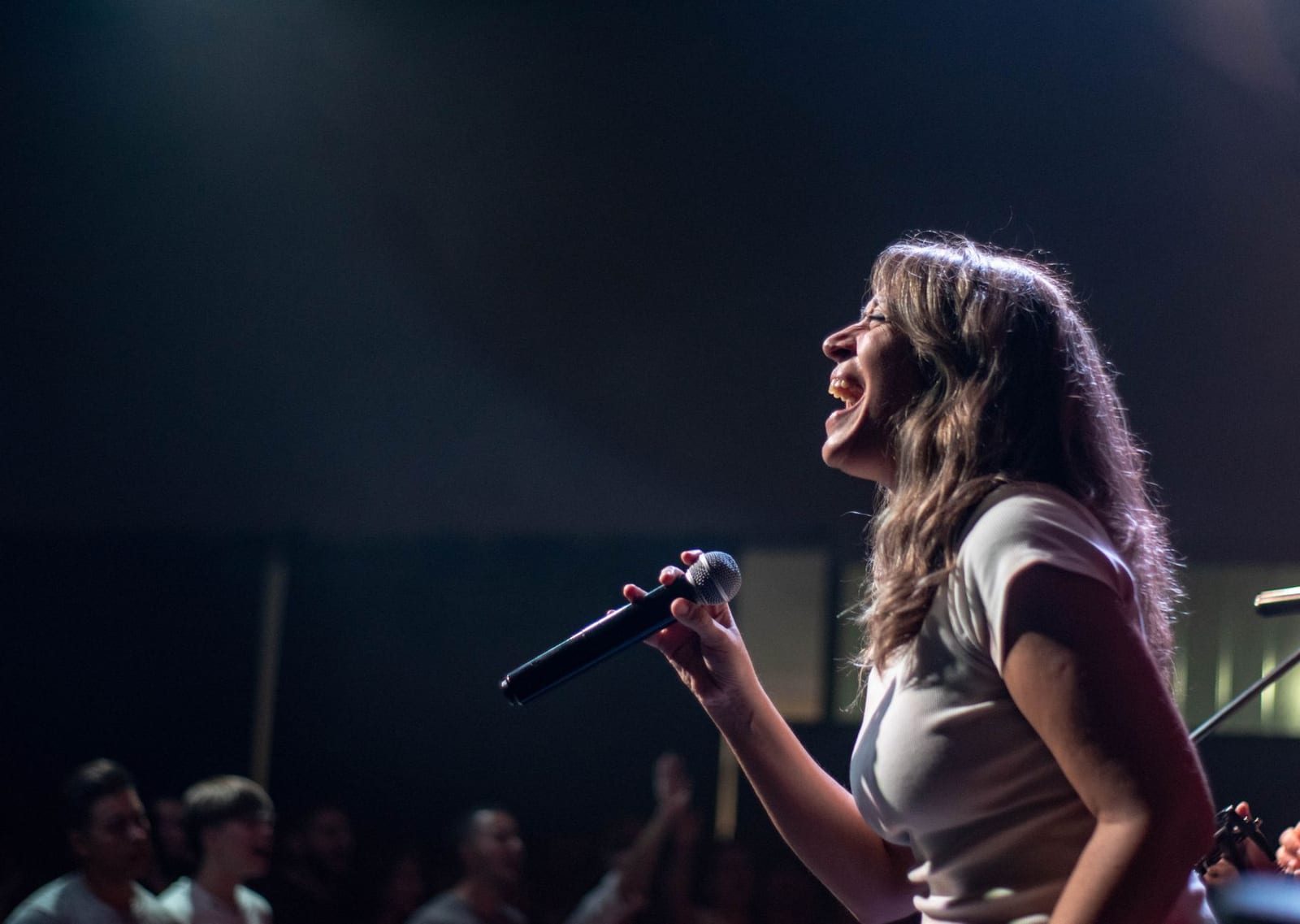
Same Talent, Two Different Years
Picture two young dancers, or singers, or actors, with the same raw ability on day one. Give one of them a bad training year and the other a good one, and by June they are not close to the same artist. I have watched this happen enough times to stop believing that talent decides the outcome. The structure around the talent decides it.
Here is what I mean, laid out side by side.
The Bad Version: One Big Goal, No Small Ones
A bad training year is built around a single event. A competition, a big audition, a spring showcase. Everything points at that date, and nothing gets measured until it arrives.
Students in this kind of year practice the same three pieces for months. They get told "good job" or "needs work" and not much in between. Feedback shows up in a clump right before the big event, when there is no time left to actually fix anything. The whole year runs on adrenaline and then, right after the event, on exhaustion.
The other problem with a single-goal year is what it does when the goal falls through. If the audition gets canceled, or the student doesn't place, there is nothing to fall back on. The year was the goal. No goal, no year.
The Good Version: A Ladder of Small, Real Checkpoints
A good training year has the same ambition but a different shape. It is built out of small, frequent moments where a student performs in front of somebody and gets specific feedback right after. A studio class with a guest teacher. A peer critique. A short informal recital with ten families in folding chairs. None of these is the big event. All of them are rehearsals for how to take in feedback and use it.
By the time the big audition or performance actually arrives, a student in this kind of year has already stood in front of people a dozen times that year. The event isn't the first time they've felt nervous in front of an audience. It's the twelfth.
What the Feedback Actually Sounds Like
The clearest difference between the two years shows up in the language teachers use.
Bad feedback: "That was better." Vague, kind, and useless.
Good feedback: "Your pitch dropped in the last phrase because you ran out of breath two bars early. Breathe here instead." Specific enough that the student can act on it tomorrow.
I tell teachers constantly that vague praise is the laziest thing you can hand a student. It feels supportive in the moment and it costs them a year of progress.
What a Bad Year Does to a Student's Relationship With the Art
There's a cost to the single-goal model that goes beyond skill. Students who spend a year working toward one event start to associate the art itself with that event. If it goes well, the art feels good. If it doesn't, the art feels like failure. That's a fragile relationship to build with something you're supposed to be doing for the next forty years.
A good year keeps the art itself in the foreground and puts the events in the background, as checkpoints rather than verdicts. A missed note in October is information. A missed note the week of the big performance in a single-goal year can feel like the whole year was wasted, because in that structure, it kind of was.
What I Look for as a Sign the Structure Is Working
I don't ask students how they feel about their progress. I ask them what they changed last week because of something a teacher told them. If they can answer that quickly, the feedback loop is working. If they have to think hard, or the answer is about something from months ago, the loop has gone quiet.
I also watch what happens right after a small performance ends. In a good program, students are already talking about what they'll adjust next time before they've changed out of costume. In a weaker one, the conversation is about how it felt, full stop. Feeling is fine. It just isn't the part that builds skill.
The Short Version
A good training year gives a student a dozen honest, low-stakes chances to fail and adjust before the one that counts. A bad training year saves all the honesty for the end, when it's too late to use. The talent in the room can be identical. The year is what makes the artist.