October 19, 2026
The Trade-Off Nobody Names When an Arts Program Grows
By Ralph S. Opacic, Ed.D.
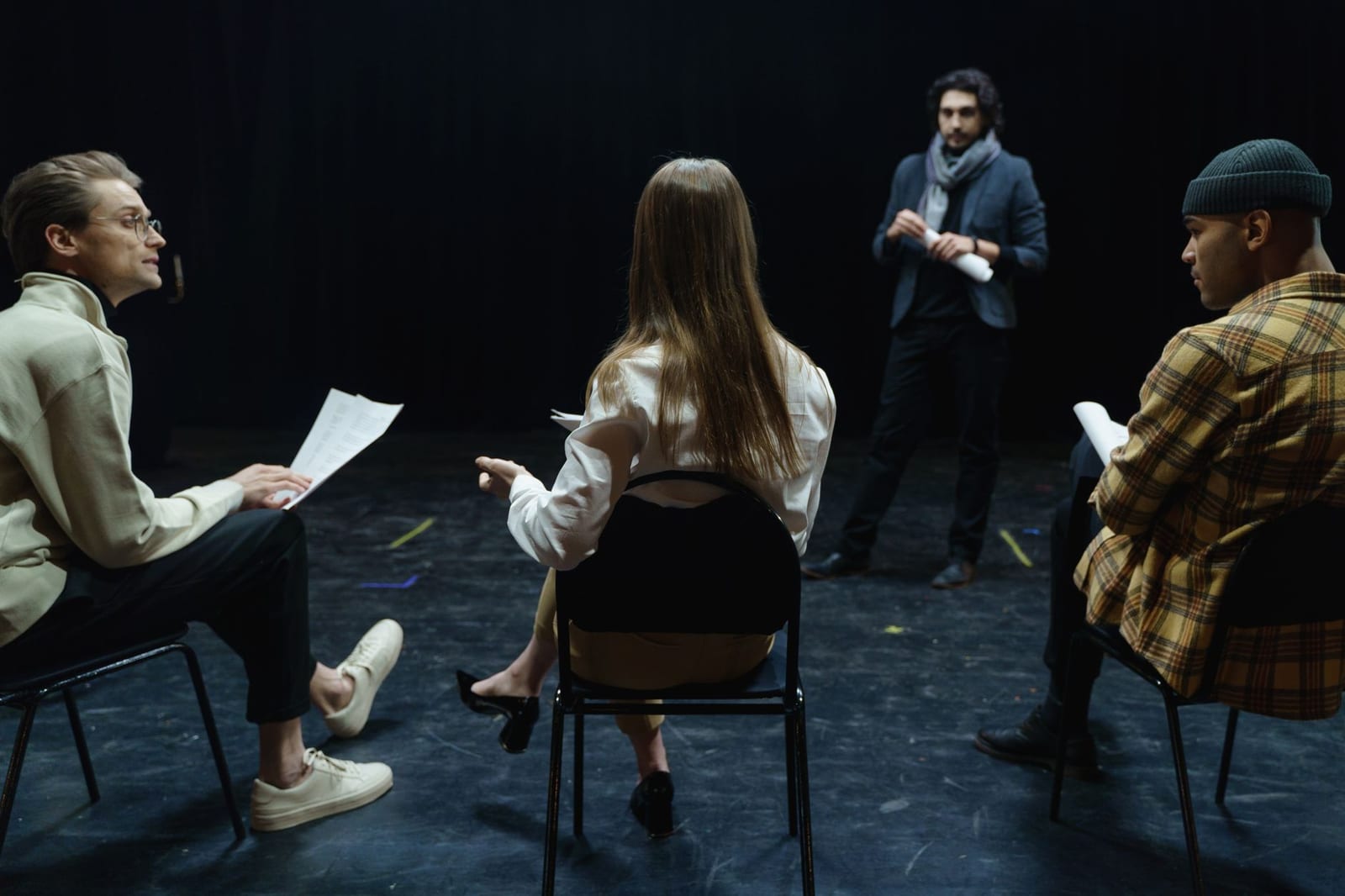
The Meeting Where Nobody Says the Real Thing
Every arts program eventually has this meeting. Enrollment is up. A waitlist has formed. Someone on the board says the word "expand," and everyone nods, because who argues against reaching more kids?
What nobody says out loud is what growth actually costs. Not in dollars. In attention.
I have sat in that meeting more than once, on both sides of the table: as the person pushing for growth and as the person who had to explain, years later, why growth alone was not the win it looked like.
The Trade-Off
Here it is plainly: every new student you add without adding proportional instruction time is a student who gets less of the teacher than the student before them got.
A studio with one instructor and twelve students can give real, individual correction to each kid in a two-hour class. Double the roster without doubling the staff, and that same instructor is now managing a room instead of teaching in it. The program looks bigger on paper. The experience inside it has quietly shrunk.
This is not an argument against growing. It is an argument for naming the cost before you agree to pay it.
Why This Gets Hidden
Growth is easy to celebrate and hard to audit. A bigger enrollment number goes in a newsletter. A slightly thinner hour of one-on-one coaching per student does not show up anywhere, because nobody is measuring it. It only shows up years later, in the quality of the artists the program produces.
I think this is why so many programs drift into a version of themselves that is larger but less effective, without anyone deciding that on purpose. The decision to grow gets made in one meeting. The decision to protect instructional depth never gets made at all, because nobody puts it on the agenda.
What I Actually Weigh
Before I agree to add students, a class, or a campus, I ask a short list of questions:
Does the teacher-to-student ratio survive this, or does it bend? If it bends, I want to know by how much before I sign off, not after.
Are we adding staff at the same rate we are adding students? If the answer is no, the plan is not really a growth plan. It is a dilution plan wearing a growth plan's clothes.
What is the one thing about this program that made it work in the first place, and does this change touch it? For a music or theater program, that thing is usually rehearsal time, or individual feedback, or the closeness between a young artist and the teacher who is shaping their technique. Protect that thing specifically. Everything else can flex.
The Honest Version of Growth
The programs that scale well are the ones that treat instructional depth as a fixed cost, not a variable one. They grow the budget for teachers before they grow the roster of students. They say no to enrollment they cannot properly staff, even when saying yes would look good in a report.
That is a harder position to hold than it sounds, because turning away students who want to study the arts feels like a failure of mission. I have felt that pull myself. But a program that takes in every student who applies and gives each of them less than they would have gotten from a smaller, better-staffed program has not actually served more artists. It has served the appearance of serving more artists.
What I Tell People Building Something New
If you are early in building an arts program, decide now what ratio of teacher attention to student you are protecting, and write it down somewhere you will have to look at it again later. Numbers you have not written down are easy to quietly let slide. Numbers on paper are harder to abandon without noticing you did it.
Then, when the meeting comes where someone says "expand," you already have the answer to the question that actually matters: expand into what, staffed by whom, at what ratio. Growth stops being a vague good and becomes a specific plan you can defend, one class and one teacher at a time.
That is the trade-off. Bigger or better is not always a real choice, sometimes you can have both, but only if you pay for the teaching first and let the enrollment number follow, instead of the other way around.