November 8, 2026
Ralph Opacic on the Role of Arts Education in Developing the Whole Person
By Ralph S. Opacic, Ed.D.
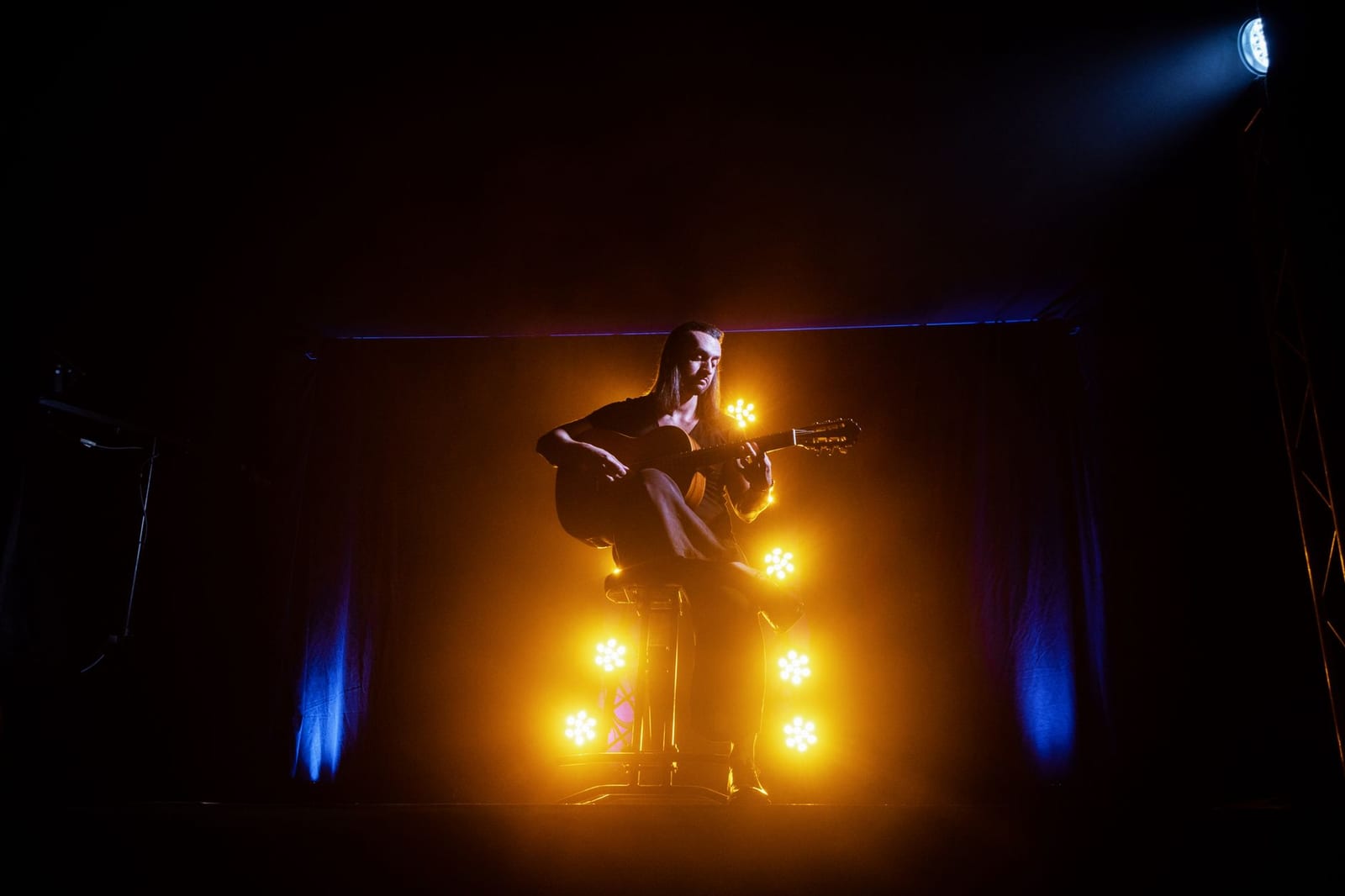
The value of arts education cannot be measured only by the performances students give, the competitions they enter, or the professional careers they eventually pursue. Music, dance, theatre, and visual arts also provide opportunities to develop qualities that extend well beyond a particular discipline. Through creative study, individuals learn to practice with purpose, respond to feedback, collaborate with others, and become more confident in expressing their ideas.
Ralph Opacic’s career in arts education has been shaped by an understanding of these broader benefits. As the founder of the Orange County School of the Arts (OCSA) and the chief executive of Orange County Music & Dance (OCMD), he has spent decades working to create environments where artistic development and personal growth can take place together.
Learning Through the Creative Process
An artistic discipline requires commitment. A student learning an instrument must develop coordination, technique, and the ability to interpret music. A dancer must build strength, control, and an understanding of movement. A theatre student must learn how to communicate, respond to others, and approach a performance with preparation and focus.
These skills develop over time. Progress often comes through repetition, adjustment, and the willingness to continue working when an outcome is not immediate.
That process can help students develop patience and resilience. A difficult passage in a musical composition or a challenging movement sequence does not usually become easier through one attempt. Students learn to break a larger goal into smaller steps, identify what needs improvement, and return to the work with greater understanding.
The experience of receiving feedback is equally important. Artistic growth depends on being able to consider another perspective without losing confidence or motivation. Students learn that revision is part of the process and that improvement does not require perfection at every stage.
These lessons can be useful in school, in professional settings, and in everyday life.
The Importance of Finding an Individual Voice
Arts education also provides an opportunity for students to develop a stronger sense of individual expression. Two students can learn the same piece of music or study the same choreography while bringing different interpretations to the work. Instruction provides the technical foundation, but personal expression allows students to develop their own relationship with the material.
For Opacic, the purpose of arts education has never been limited to producing technically capable performers. It has also involved helping young people discover what they are capable of and giving them the confidence to pursue their interests.
That distinction is important. Not every student who studies music or dance will choose a professional career in the arts. Some will continue as dedicated participants, while others will carry the experience into entirely different fields. The value of the education is not diminished by the path they eventually choose.
A student who learns to perform in front of an audience may become more comfortable communicating in other settings. Someone who participates in an ensemble learns the importance of listening and contributing to a shared result. A young person who works through a demanding artistic challenge may become more confident when facing a difficult academic or personal goal.
Collaboration and Shared Responsibility
Although artistic expression can be deeply personal, many forms of creative work depend on collaboration. Ensembles, productions, dance companies, and group projects require participants to understand their own responsibilities while remaining aware of the people around them.
A successful performance depends on preparation from every member of the group. Each individual must understand the material, respect the timing and contributions of others, and remain responsive as the work develops.
These experiences help students understand that individual ability and collective achievement are not competing ideas. Personal preparation strengthens the group, while collaboration can help each participant develop beyond what might be possible alone.
This is one reason a supportive arts environment matters. Students need opportunities to take creative risks, learn from mistakes, and work with peers who bring different strengths and perspectives. Educators play an important role in establishing expectations while encouraging students to remain curious and engaged.
Building Educational Environments That Support Growth
When Opacic founded OCSA in 1987, he set out to create a school where students could receive a comprehensive academic education while pursuing serious artistic training. The model reflected the belief that creativity should be treated as an important part of education rather than an activity separate from intellectual development.
OCSA’s growth demonstrated the value of bringing educators, professional artists, administrators, families, and community supporters together around that mission. Its conservatories provided students with opportunities to develop in specialized areas while remaining part of a broader academic environment.
At OCMD, Opacic is continuing to support arts education through programming that reaches different ages and levels of experience. Early childhood classes, discovery programs, advanced training, and adult instruction provide different ways for individuals to engage with creative disciplines.
The range of offerings recognizes that personal development does not happen on one fixed schedule. Some people discover an interest early, while others return to the arts after years away. A strong educational environment should make room for both.
A Broader Measure of Success
The success of arts education is reflected in more than the number of students who become professional performers. It can also be seen in the confidence students gain, the relationships they build, and the ways they learn to approach challenges.
Opacic’s work has consistently focused on creating opportunities for people to develop through the arts. His experience has shown that educational institutions can play an important role in helping individuals discover their abilities while contributing to the cultural life of their communities.
The arts offer a way to learn that combines discipline with imagination and individual expression with shared responsibility. When students are given the instruction, encouragement, and space to explore those possibilities, the benefits can continue long after a class or performance has ended.